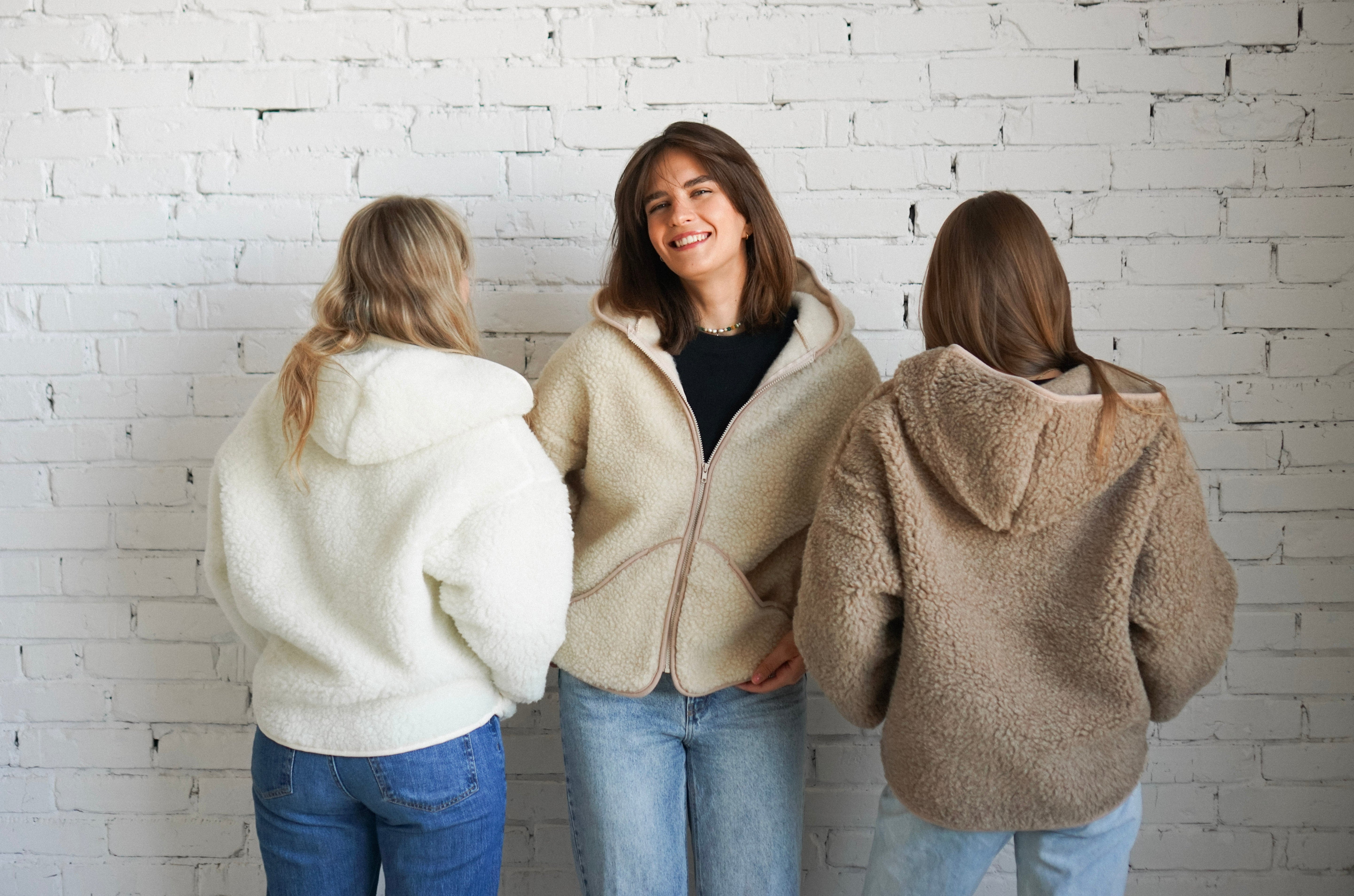
Kurtki merino dla dzieci – co warto wiedzieć przed zakupem?
Wełna merino to jeden z tych materiałów, które łączą ciepło, lekkość i oddychalność w sposób, jakiego nie da się podrobić. Nic dziwnego, że coraz więcej rodziców wybiera właśnie kurtki merino dla swoich dzieci — zwłaszcza na sezon jesienno-zimowy. Ale zanim kupisz taką kurtkę, warto wiedzieć, na co zwrócić uwagę, żeby była naprawdę praktyczna i wygodna.
1. Gramatura – czyli grubość i ciepło
To właśnie od gramatury zależy, czy kurtka będzie cieńsza i bardziej uniwersalna, czy grubsza i idealna na mróz.
Dla dzieci najlepiej sprawdza się gramatura od 350 g/m² wzwyż — taka jak w naszych „baranizowanych” wełniakach. Dzięki temu kurtka jest ciepła, ale nie przegrzewa malucha i pozwala skórze oddychać.
2. Zamek – nie tylko ozdoba
Zamek błyskawiczny w dziecięcej kurtce powinien być miękki w pracy i zabezpieczony od spodu, tak by nie drażnił skóry szyi. Warto też zwrócić uwagę na jego kolor — w Owcy czasem pozwalamy sobie na kontrast, bo dzieci uwielbiają, gdy coś się błyszczy lub wyróżnia 😉
3. Kaptur – praktyczny czy ozdobny?
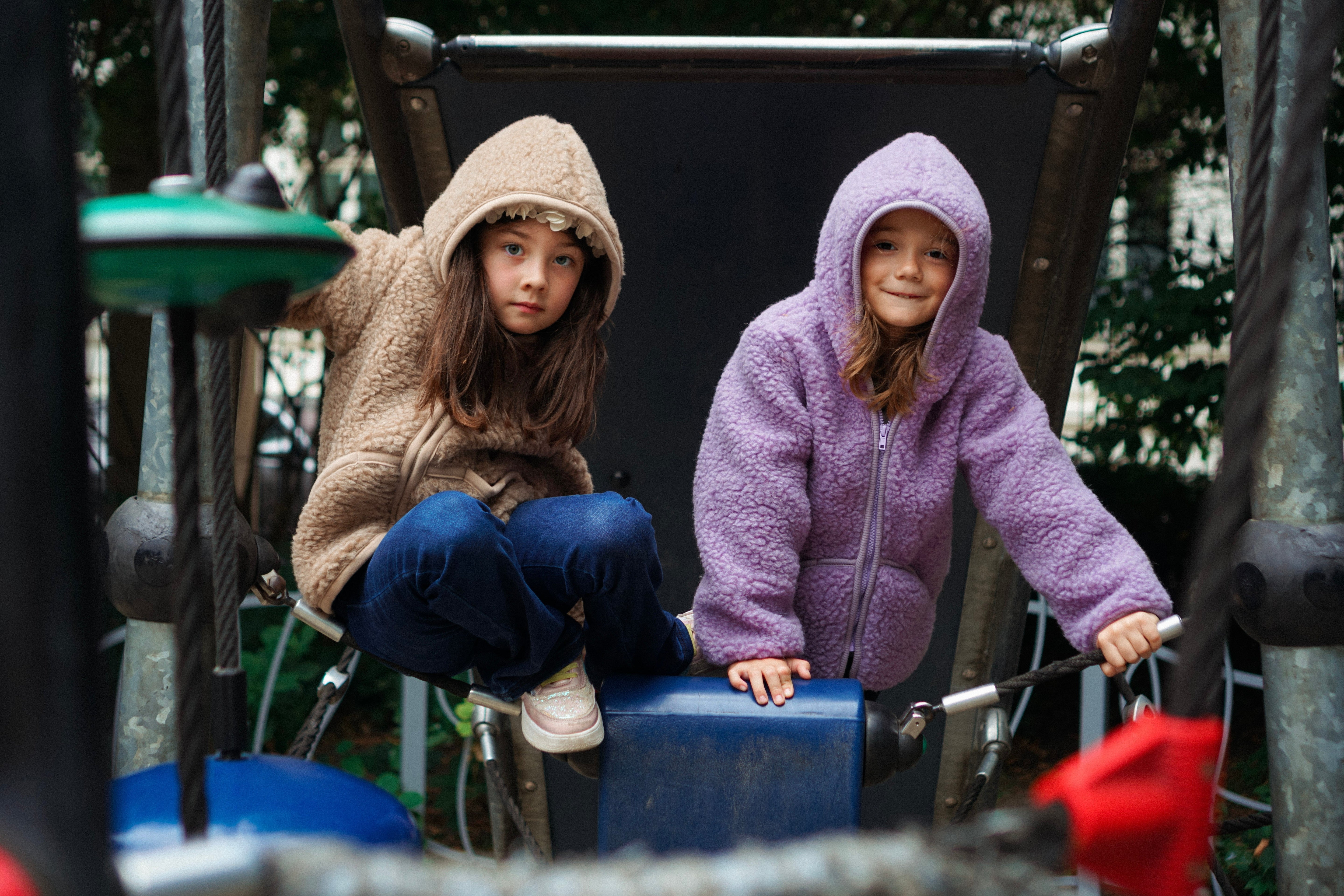
Dobrze dopasowany kaptur to skarb. W kurtkach merino pełni nie tylko funkcję ozdobną – chroni przed wiatrem i chłodem, a przy tym zastępuje czapkę w cieplejsze dni.

4. Długość i krój
Kurtka dla dziecka powinna sięgać za biodra – wtedy lepiej chroni plecy przy schylaniu i zabawie. Unikaj zbyt dopasowanych fasonów, bo merino potrzebuje trochę przestrzeni, by „pracować” i utrzymywać odpowiednią temperaturę.
5. Warstwy pod spodem
Wełna merino świetnie sprawdza się w systemie ubioru warstwowego – wystarczy koszulka i cienki sweterek, by maluchowi było ciepło nawet w chłodne dni. Dzięki naturalnej termoregulacji wełna dopasowuje się do temperatury ciała – nie przegrzewa, ale i nie wychładza.
Kurtka merino to inwestycja na lata – często „rosnąca” razem z dzieckiem. Z czasem włókna stają się jeszcze bardziej miękkie, a wełniak nabiera charakteru. W Owcy wierzymy, że to właśnie takie rzeczy mają największą wartość – ciepłe, naturalne i prawdziwe jak dziecięcy uśmiech.